
Carbon monoxide alarm for home and kitchen with wireless communication, wall-mounted installation, and audible alarm covering a 1.5-metre detection distance, suitable for use with solid fuels like honeycomb coal and coal stoves.


Carbon monoxide alarm for home and kitchen with wireless communication, wall-mounted installation, and audible alarm covering a 1.5-metre detection distance, suitable for use with solid fuels like honeycomb coal and coal stoves.
Wireless carbon monoxide alarm for solid fuel safety with a 1.5-metre detection range
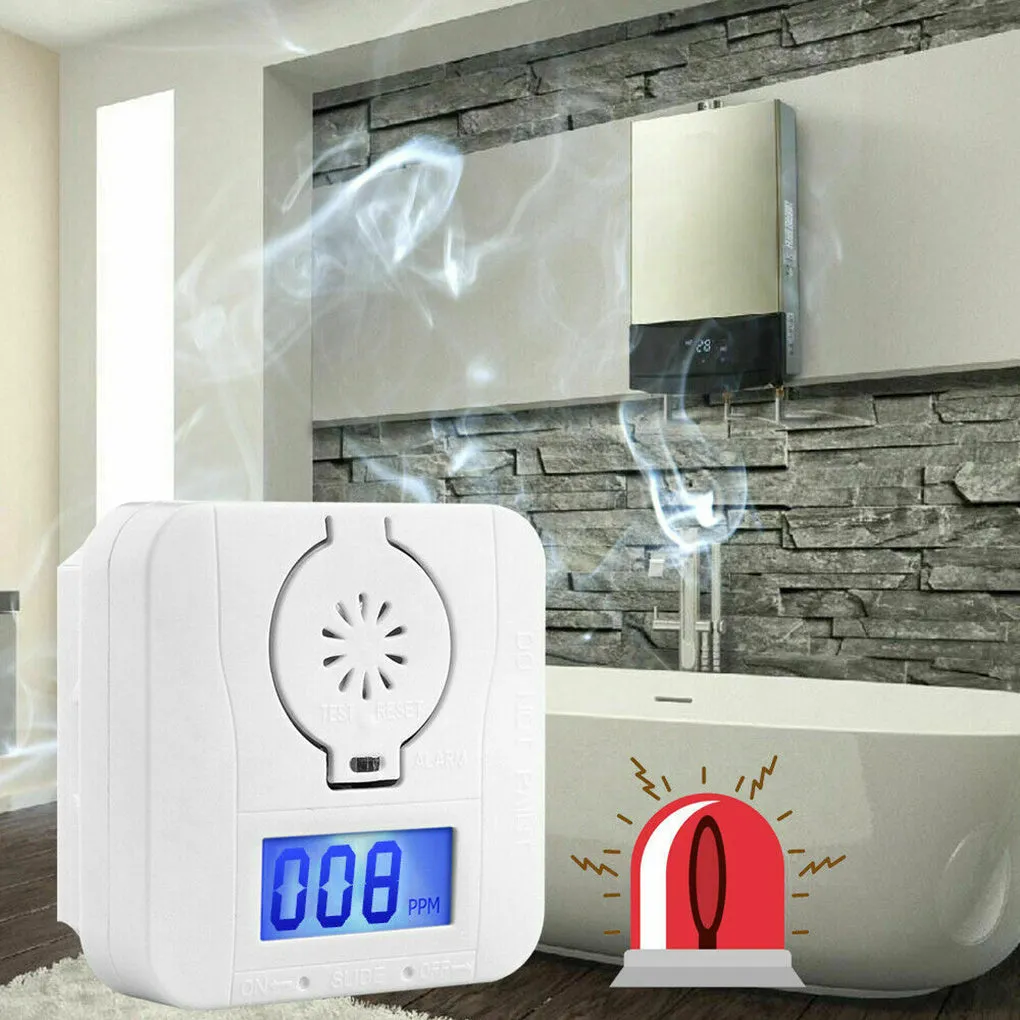
This carbon monoxide alarm is a dedicated safety device designed to monitor environments where solid fuels are burned. It provides detection specifically for carbon monoxide gas produced by sources like honeycomb coal and coal stoves, common in certain heating and cooking applications. With a wireless communication method, it offers installation flexibility without the constraints of wired systems. The audible alarm provides clear notification when CO levels require attention, acting as an independent safety monitor for your living space.
Features and Construction
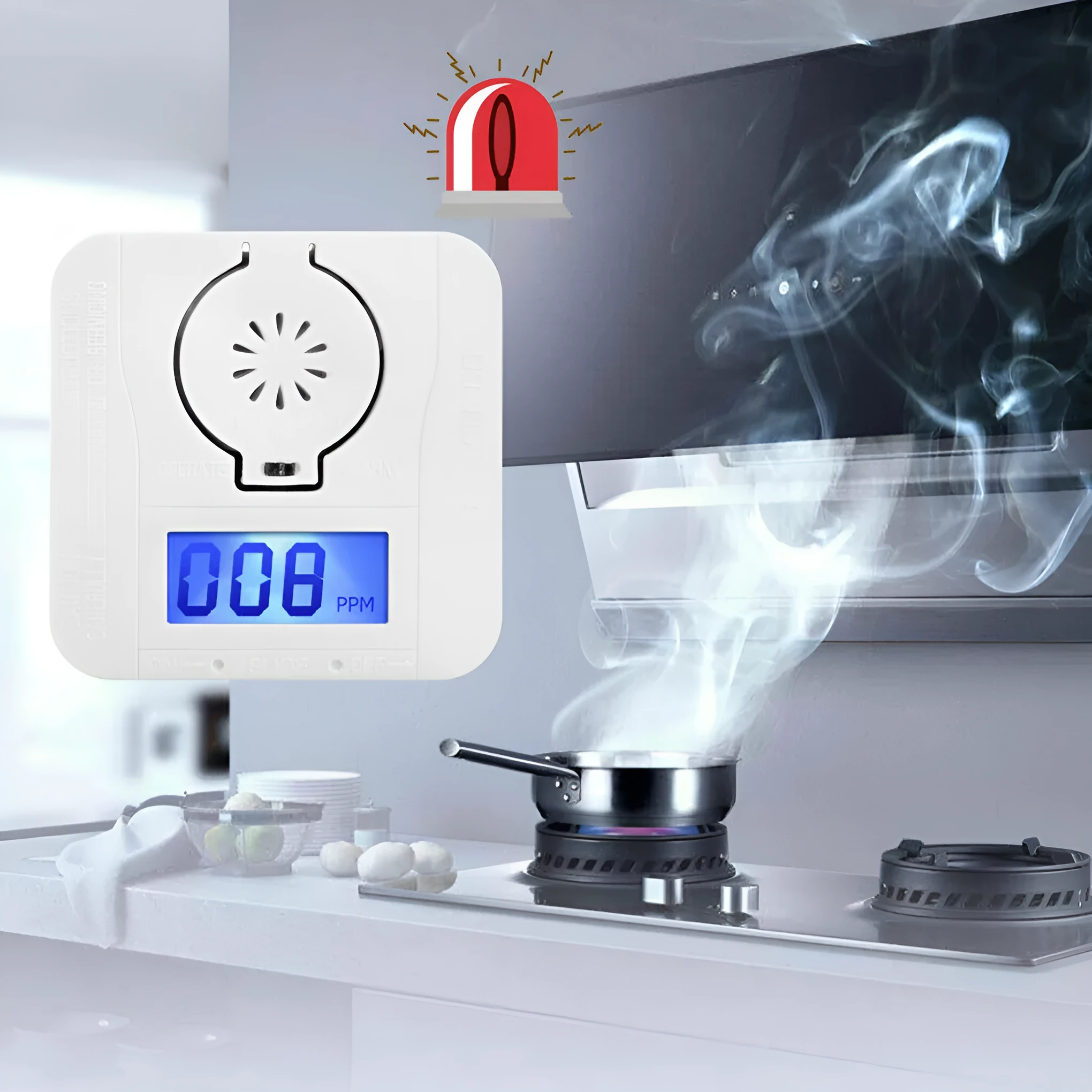
This alarm combines several practical features focused on reliable operation and straightforward use. Its construction prioritises functionality for continuous monitoring in residential settings where specific fuel types are present.
Material and Build
The alarm unit is constructed with a white housing, providing a neutral appearance suitable for various room decors. It is designed as a wall-mounted device, allowing for permanent placement at an optimal height for gas detection. The wireless communication system eliminates the need for complex wiring during installation, simplifying the setup process. The build focuses on core detection functionality without unnecessary complexity.
Size and Practical Fit
The device operates with a static current draw of 80 µA, contributing to efficient power consumption for continuous monitoring. It functions effectively across a broad temperature range from -10°C to 50°C, making it suitable for various indoor environments, including occasionally unheated spaces. The 1.5-metre detection distance defines its effective monitoring zone, which should inform placement decisions relative to potential CO sources.
Uses and Placement

Understanding the specific application scenarios ensures this alarm provides maximum safety benefit. Its design addresses particular fuel types and room configurations commonly found in residential settings.
Event or Professional Use
While primarily for home use, this alarm could be relevant in settings where temporary solid fuel heating is employed, such as in workshops, garages, or during events using coal-based heaters. Its wireless nature allows for temporary installation if required. The wide operating temperature range supports use in less climate-controlled spaces like conservatories or enclosed porches where solid fuel appliances might occasionally be used.
Everyday Home Use
The manufacturer recommends installation in kitchens, bathrooms, and living rooms, particularly those that are often long and empty. This suggests placement in areas where solid fuel appliances are located or where occupants might not be continuously present to notice early signs of CO exposure. The bathroom recommendation indicates suitability for well-ventilated humid environments, while the living room suggestion covers larger common areas.
Benefits and Buying Value
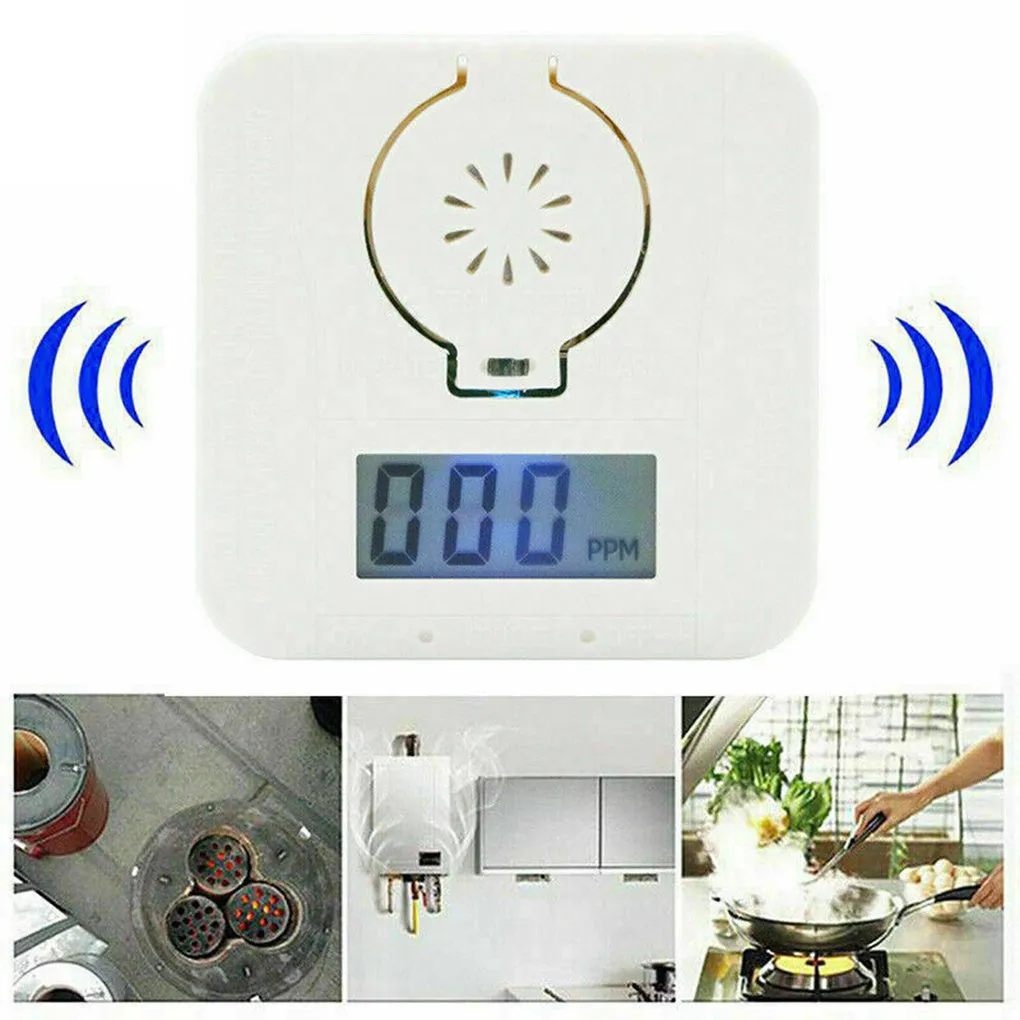
This alarm offers specific advantages for households using particular fuel types. Its value derives from targeted functionality rather than multi-gas detection, providing a focused safety solution.
Reuse and Low Maintenance
As a permanently installed unit, this alarm provides ongoing protection with minimal daily intervention. The wall-mounted design means it stays in position once installed, maintaining consistent monitoring. Users will need to periodically replace the batteries, which are purchased separately, as part of routine maintenance to ensure continuous operation. The simple audible alarm mechanism requires no complex calibration or user adjustment.
Why Choose This Product
This alarm is specifically designed for carbon monoxide detection from solid fuel combustion, making it appropriate for homes using honeycomb coal, coal stoves, or similar fuels. It is not intended for natural gas, LPG, or pipeline gas detection, so its value is precise rather than general. The wireless feature offers installation flexibility in rooms without convenient power outlets for wired devices. The explicit temperature and detection range specifications allow buyers to assess suitability for their specific environment.