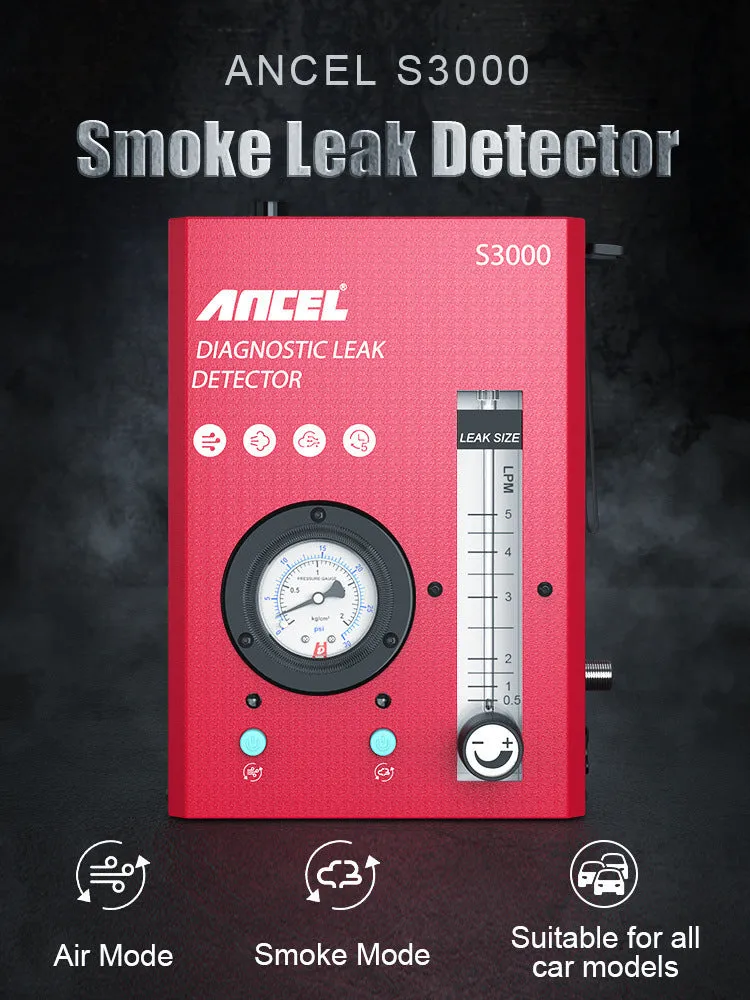
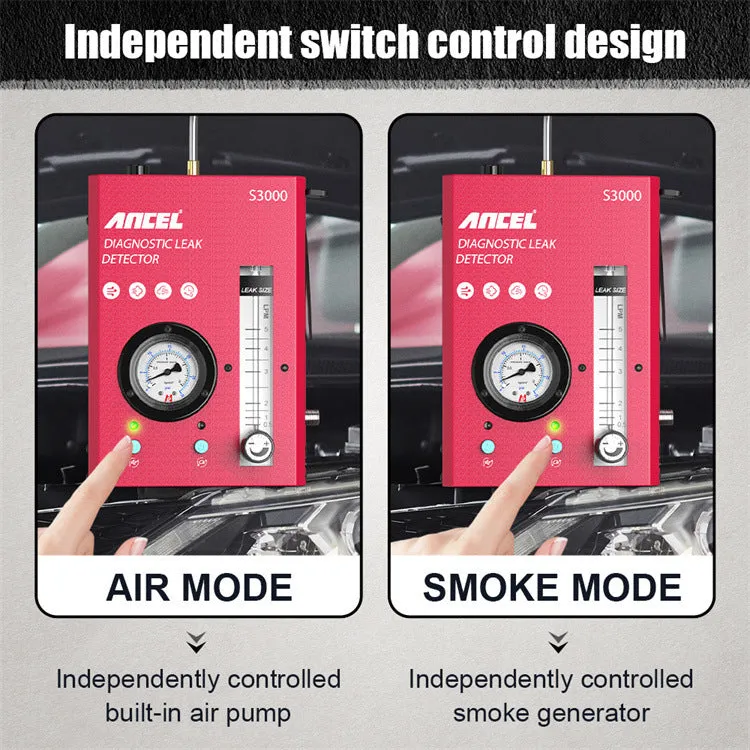
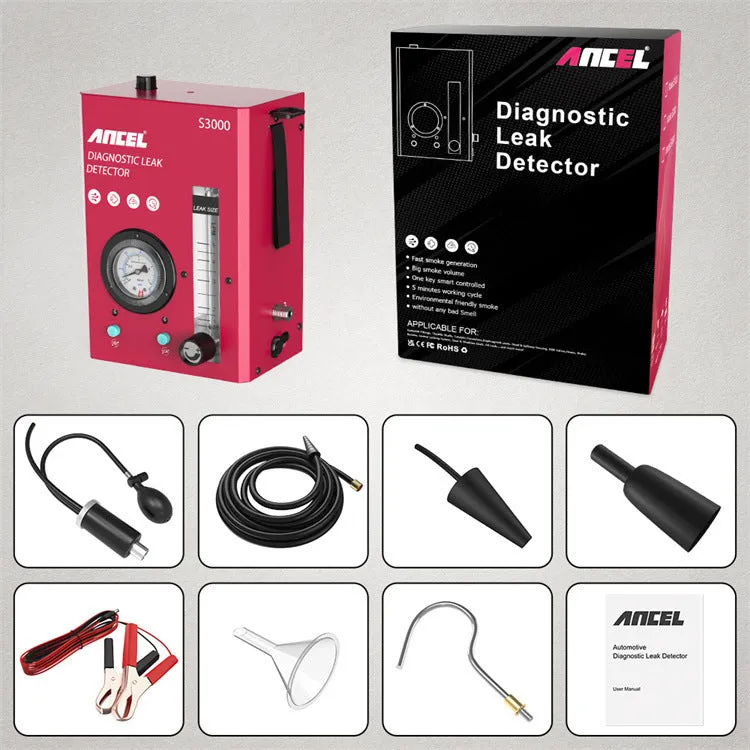
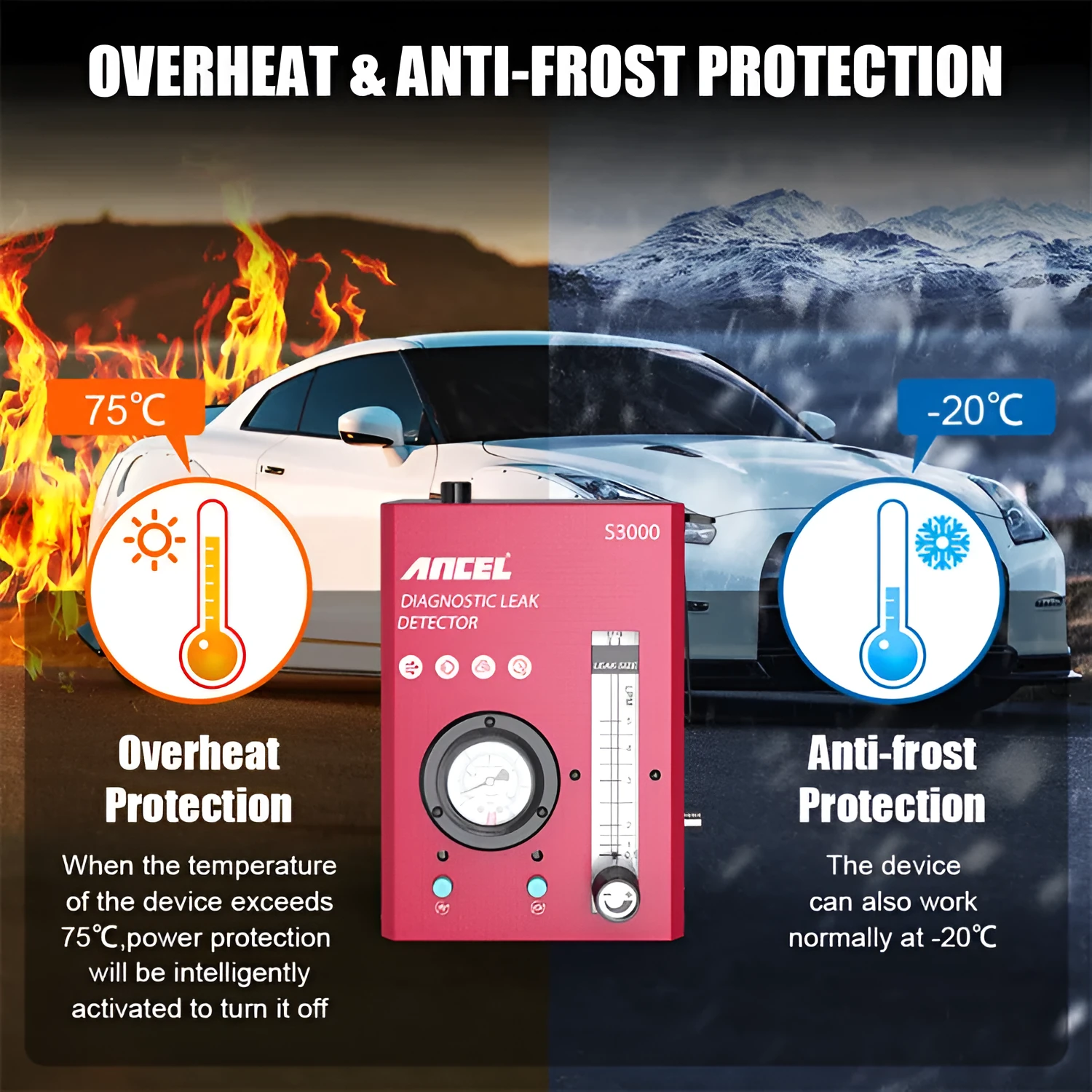
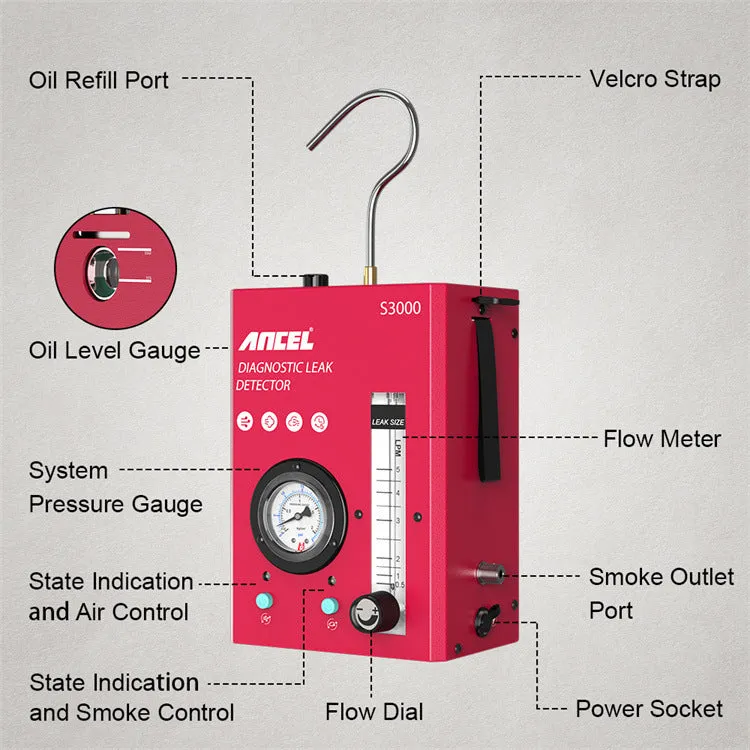
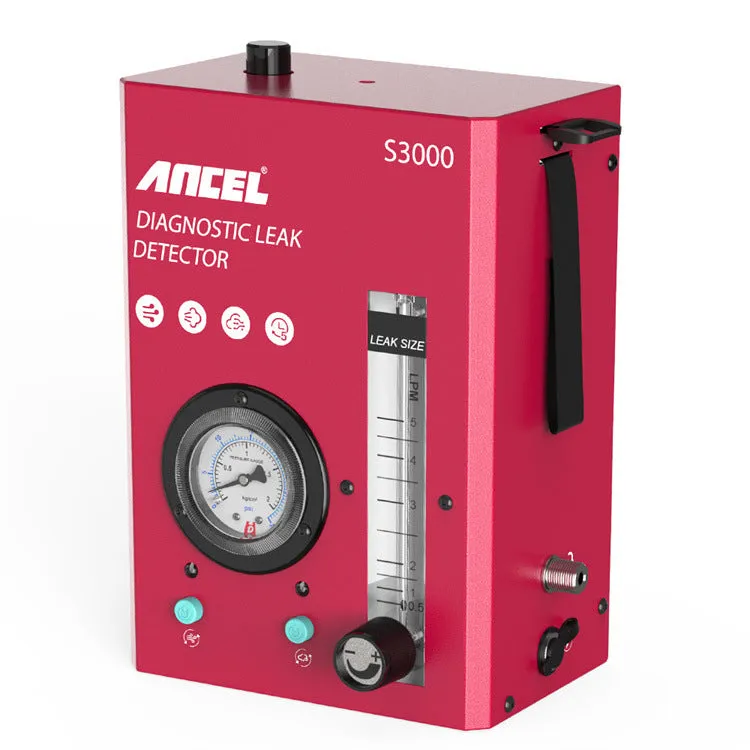
Car smoke detector vacuum leak tool model S3000 for automotive diagnostics with 12V power supply and -20-40℃ working temperature range, a 2.4kg portable diagnostic device for identifying vacuum leaks in vehicle engine and exhaust systems


Car smoke detector vacuum leak tool model S3000 for automotive diagnostics with 12V power supply and -20-40℃ working temperature range, a 2.4kg portable diagnostic device for identifying vacuum leaks in vehicle engine and exhaust systems
Car Smoke Detector Vacuum Leak Tool Model S3000 for Automotive System Diagnostics
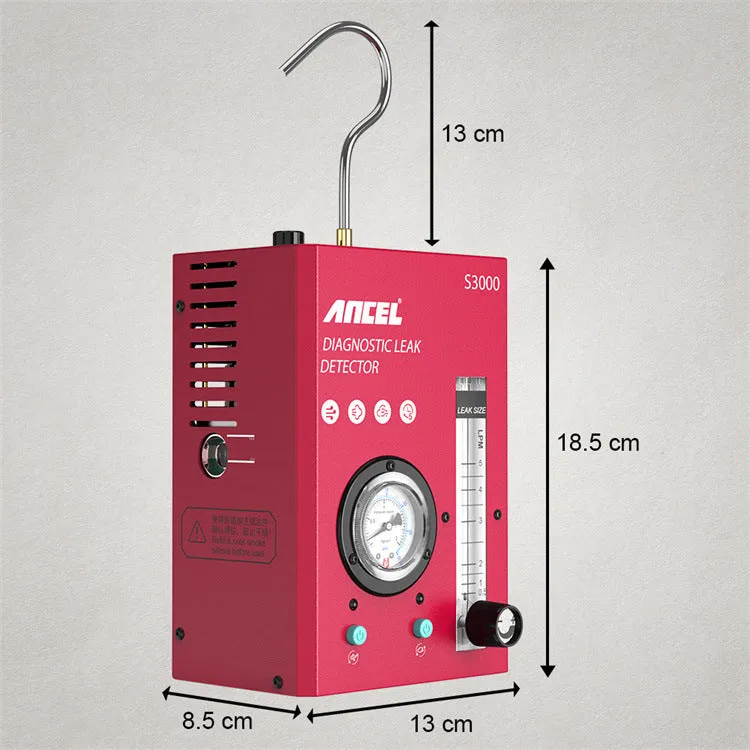
This car smoke detector provides mechanics and automotive enthusiasts with a practical method for identifying vacuum leaks, exhaust system faults, and intake manifold issues through visual smoke detection. Designed as the S3000 model, it operates on 12V power for direct vehicle compatibility and functions reliably within a -20 to 40℃ temperature range, making it suitable for various workshop environments. Weighing 2.4kg, this portable diagnostic tool helps pinpoint air leaks that can cause engine performance problems, irregular idling, or increased emissions without requiring complex electronic diagnostic equipment.
Features and Construction

The S3000 car smoke detector is built as a dedicated diagnostic device with specifications focused on automotive workshop requirements. Its construction supports the generation of diagnostic smoke for visual leak detection while maintaining operation within defined temperature parameters.
Material and Build
Components are selected to withstand the 12V electrical requirements and produce the smoke needed for leak detection procedures. The 2.4kg total weight indicates a substantial yet portable construction suitable for workshop handling, with materials supporting operation across the specified -20 to 40℃ temperature spectrum without performance degradation.
Size and Practical Fit
With a documented weight of 2.4kg, this diagnostic tool offers a balanced combination of substance for stable operation and portability for moving around vehicle engine bays. The design accommodates connection to standard 12V vehicle power systems, eliminating the need for specialised power adapters or external power sources during diagnostic sessions.
Uses and Placement
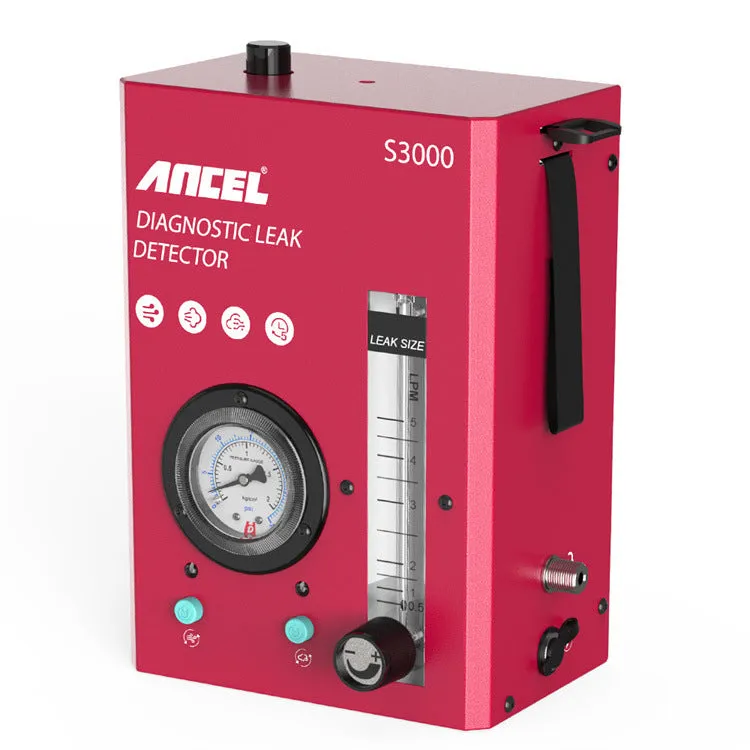
This tool serves specific diagnostic functions in automotive maintenance and repair scenarios, providing visual confirmation of system integrity issues that might otherwise require pressure testing or electronic scanning equipment.
Event or Professional Use
In professional workshop settings, the smoke detector enables quick identification of vacuum leaks affecting engine performance, exhaust system integrity checks, and intake manifold sealing assessments. The -20 to 40℃ operating range allows use in various garage environments, while the 12V power compatibility ensures straightforward integration with vehicle electrical systems without requiring additional power converters.
Everyday Home Use
For DIY automotive enthusiasts, this tool provides a visual diagnostic method for identifying common vacuum system issues that can cause rough idling, hesitation, or check engine lights. The single-unit packaging containing the car detector simplifies setup, while the smoke-based detection method offers clear visual feedback about leak locations without interpreting complex electronic data streams.
Benefits and Buying Value
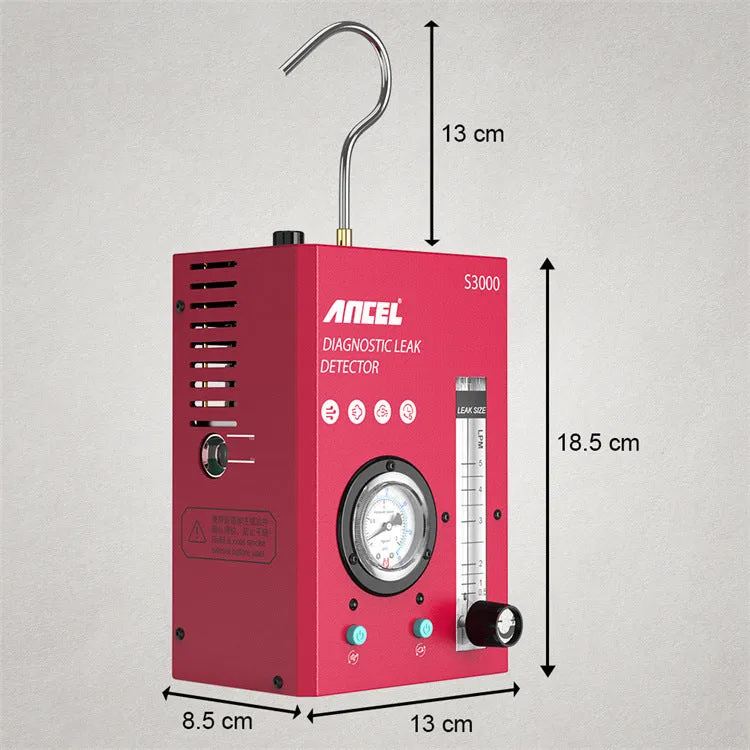
This diagnostic tool addresses specific automotive maintenance needs through a focused approach to leak detection, offering practical advantages in workshop efficiency and problem identification.
Reuse and Low Maintenance
As a dedicated diagnostic device, this smoke detector supports repeated use across multiple vehicles and diagnostic sessions without consumable components beyond its smoke generation materials. The specified -20 to 40℃ operating temperature range reduces environmental limitations on usage, while the 12V power system maintains compatibility with standard automotive electrical setups for consistent performance.
Why Choose This Product
The S3000 model car smoke detector provides a specialised solution for visual leak detection that complements electronic diagnostic tools. Its 2.4kg portable design facilitates movement around workshop spaces, while the smoke-based method offers immediate visual confirmation of vacuum, exhaust, or intake system leaks that might not register on electronic scanners. This tool addresses a specific diagnostic gap in automotive troubleshooting with parameters tailored for workshop environments.