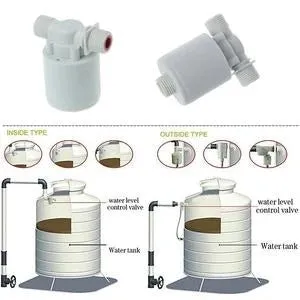
Automatic float valve in white nylon with 1/2", 3/4", and 1" thread sizes, operating at 0.2kg to 10kg pressure for purified water systems with a 120°C temperature limit, providing automated water level control for storage tanks and containers.


Automatic float valve in white nylon with 1/2", 3/4", and 1" thread sizes, operating at 0.2kg to 10kg pressure for purified water systems with a 120°C temperature limit, providing automated water level control for storage tanks and containers.
Automatic Float Valve for Purified Water Systems with Three Thread Sizes
This automatic float valve provides automated water level management specifically designed for purified water applications. Constructed from nylon and available in a standard white finish, it eliminates manual intervention by automatically opening to refill containers when water drops below the control line and shutting off when the predetermined water level is restored. With three available thread sizes and a specified operating pressure range, it offers a practical solution for maintaining consistent water levels in storage tanks, reservoirs, and other container-based systems where purified water is used.
Features and Construction
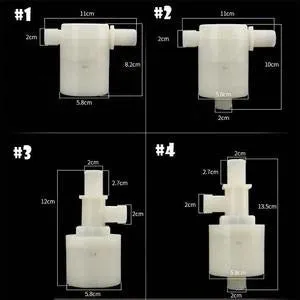
The valve's operation is based on a straightforward mechanical principle where buoyancy controls the water inlet. Its construction and specifications are tailored for controlled water management in specific environments.
Material and Build
The valve body is manufactured from nylon, a material selected for its use in purified water systems. This construction is intended for compatibility with water that has undergone purification processes. The design incorporates a float mechanism that responds directly to water level changes, triggering the opening or closing of the water inlet valve without requiring external power or complex electronics.
Size and Practical Fit
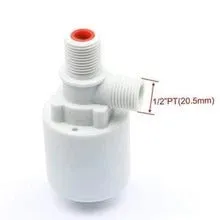
To accommodate different piping configurations, the valve is offered with three standard thread sizes: 1/2 inch, 3/4 inch, and 1 inch. This selection allows for integration into various existing pipework setups. The specified operating pressure range of 0.2 kilograms to 10 kilograms defines the conditions under which the valve is designed to function correctly, ensuring it activates and seals properly within these parameters.
Uses and Placement

This product is intended for scenarios where maintaining a consistent level of purified water in a tank or container is necessary. Its automatic operation provides a hands-off approach to water management.
Event or Professional Use
In settings like laboratories, medical facilities, or commercial water dispensing stations that use purified water, the valve can maintain reservoir levels automatically. This helps ensure a continuous supply is available without staff needing to monitor and manually fill tanks, which can be particularly useful in environments where consistent water availability is critical for operations.
Everyday Home Use
For domestic applications such as under-sink purified water storage tanks, standalone water dispensers, or humidifier reservoirs that use purified water, the valve can prevent overflows and dry runs. It automatically tops up the water when levels are low, which can help protect equipment and provide convenience for homeowners by reducing the frequency of manual refills.
Benefits and Buying Value

The primary value lies in automating a routine task and providing a mechanical solution tailored for purified water, with considerations for long-term use under specific conditions.
Reuse and Low Maintenance
The valve is designed for continuous reuse as part of a water system. Maintenance needs are directly related to water quality; the source text indicates that in systems where water contains many impurities, maintenance may be required. A sign that maintenance is needed is an extended water filling time. When this occurs, the recommended action is to remove and disassemble the control valve from the inlet water for cleaning or inspection.
Why Choose This Product
This valve offers a specific solution for automated level control in purified water systems, with clear parameters for its use. The availability of three thread sizes increases the likelihood of compatibility with existing installations. Its mechanical operation requires no electrical connection, and its specified temperature limit of 120°C and pressure range provide defined boundaries for its application, allowing for informed integration into suitable water management setups.