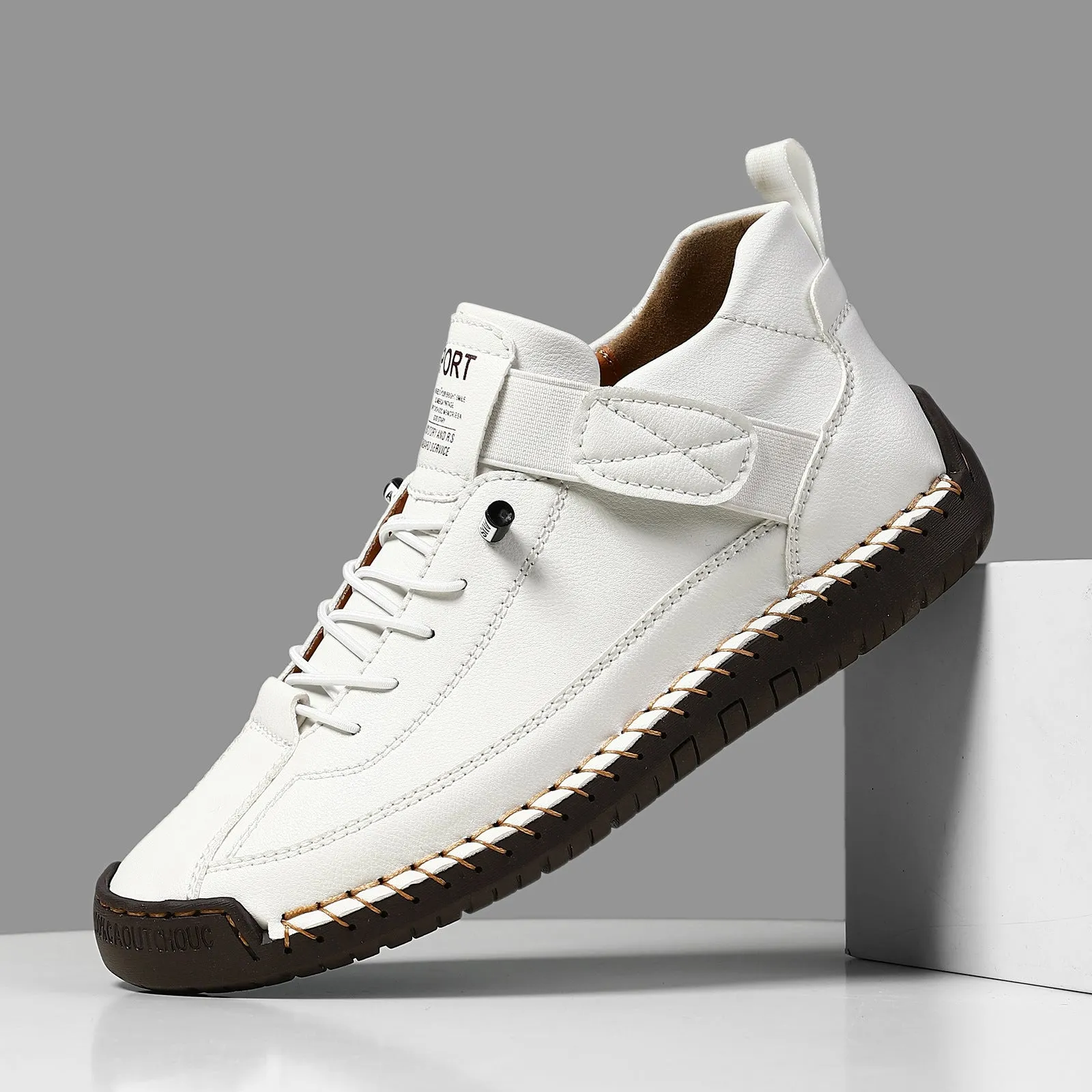
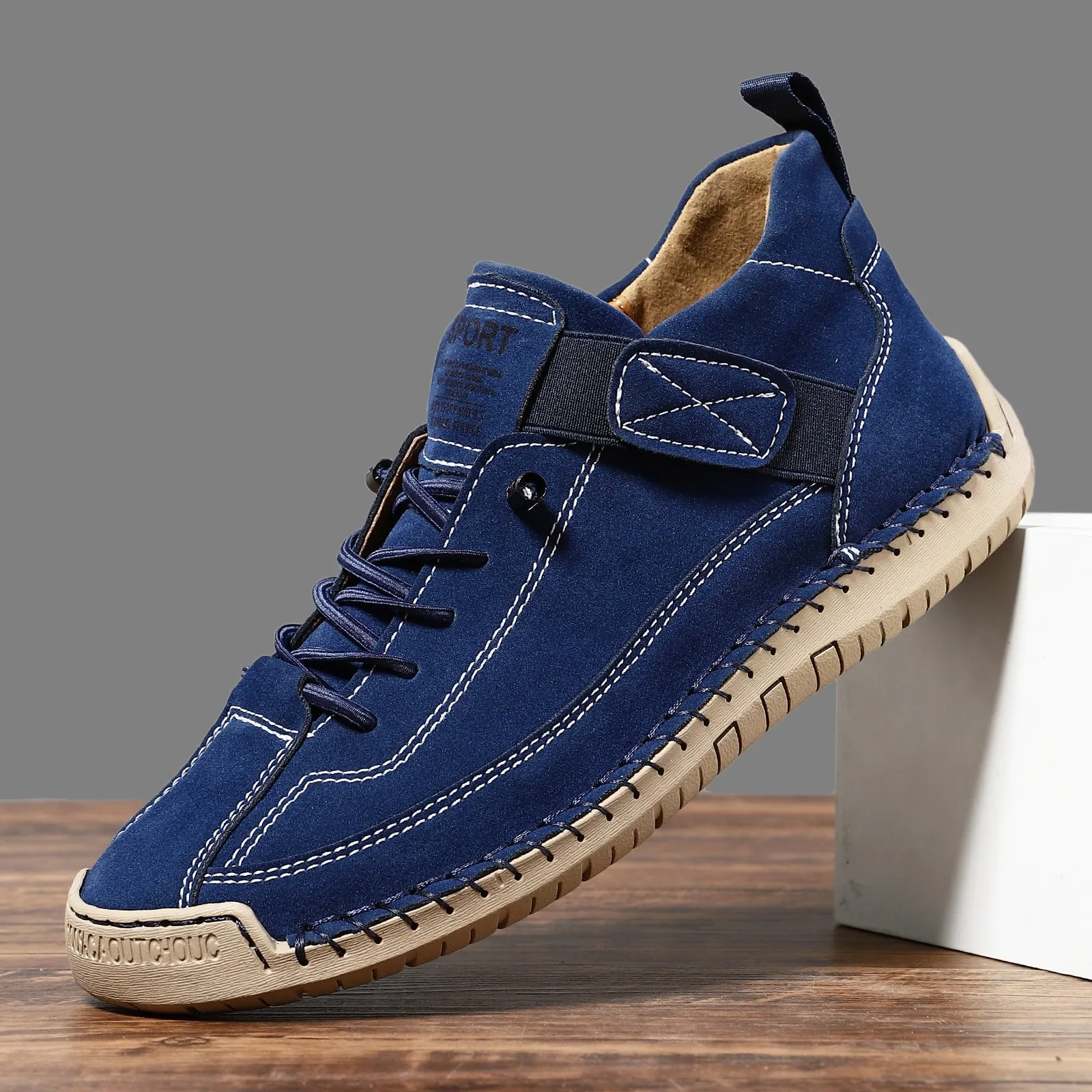
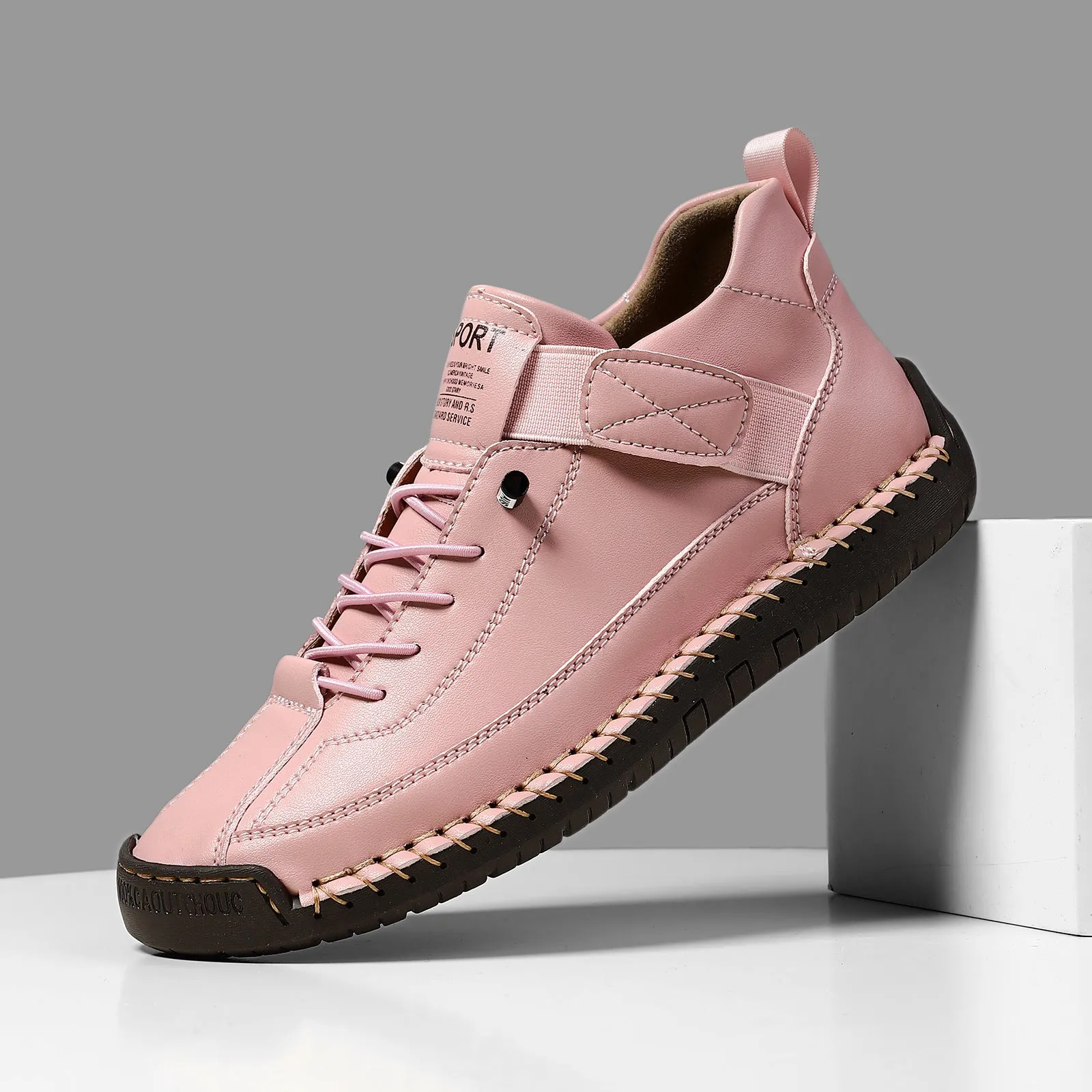
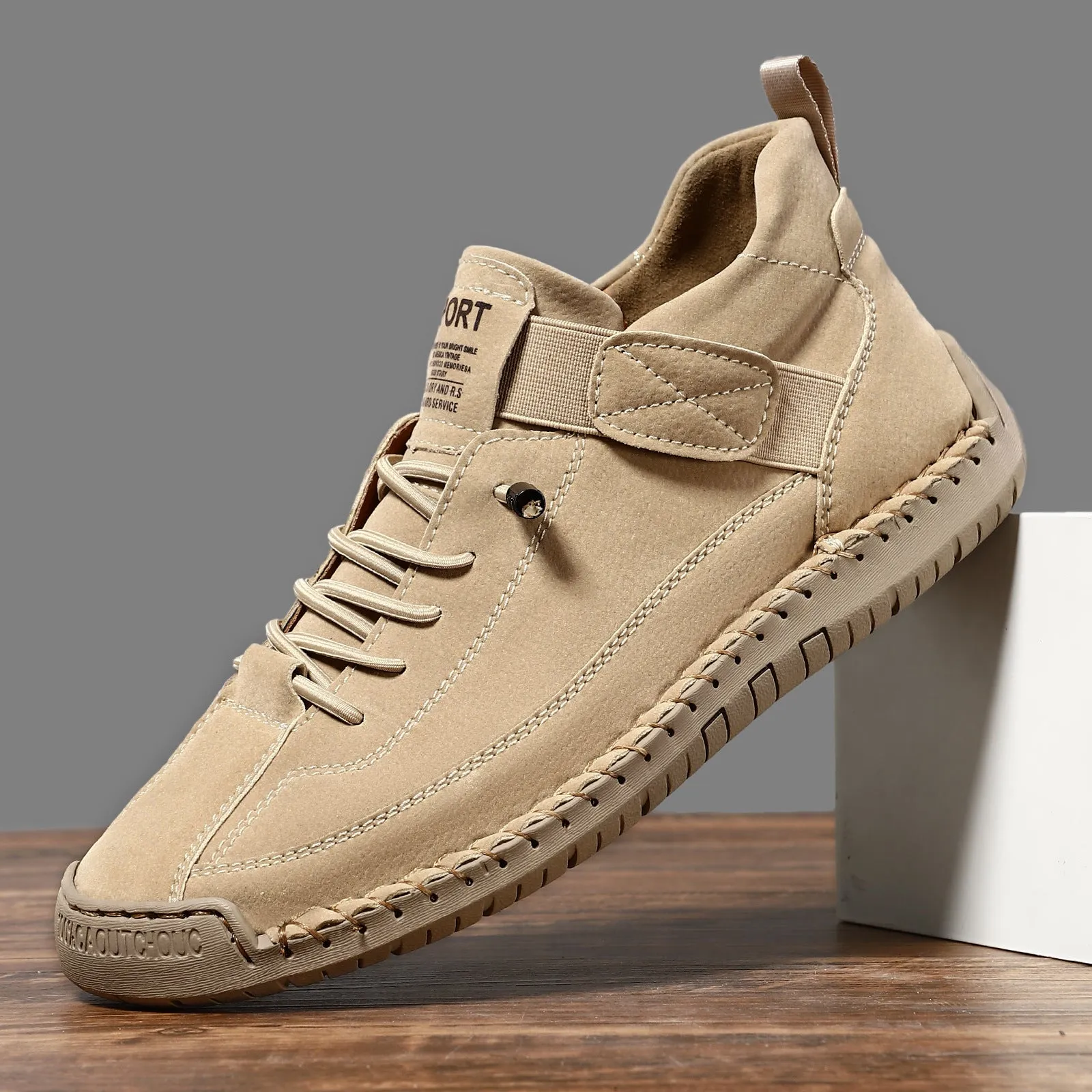
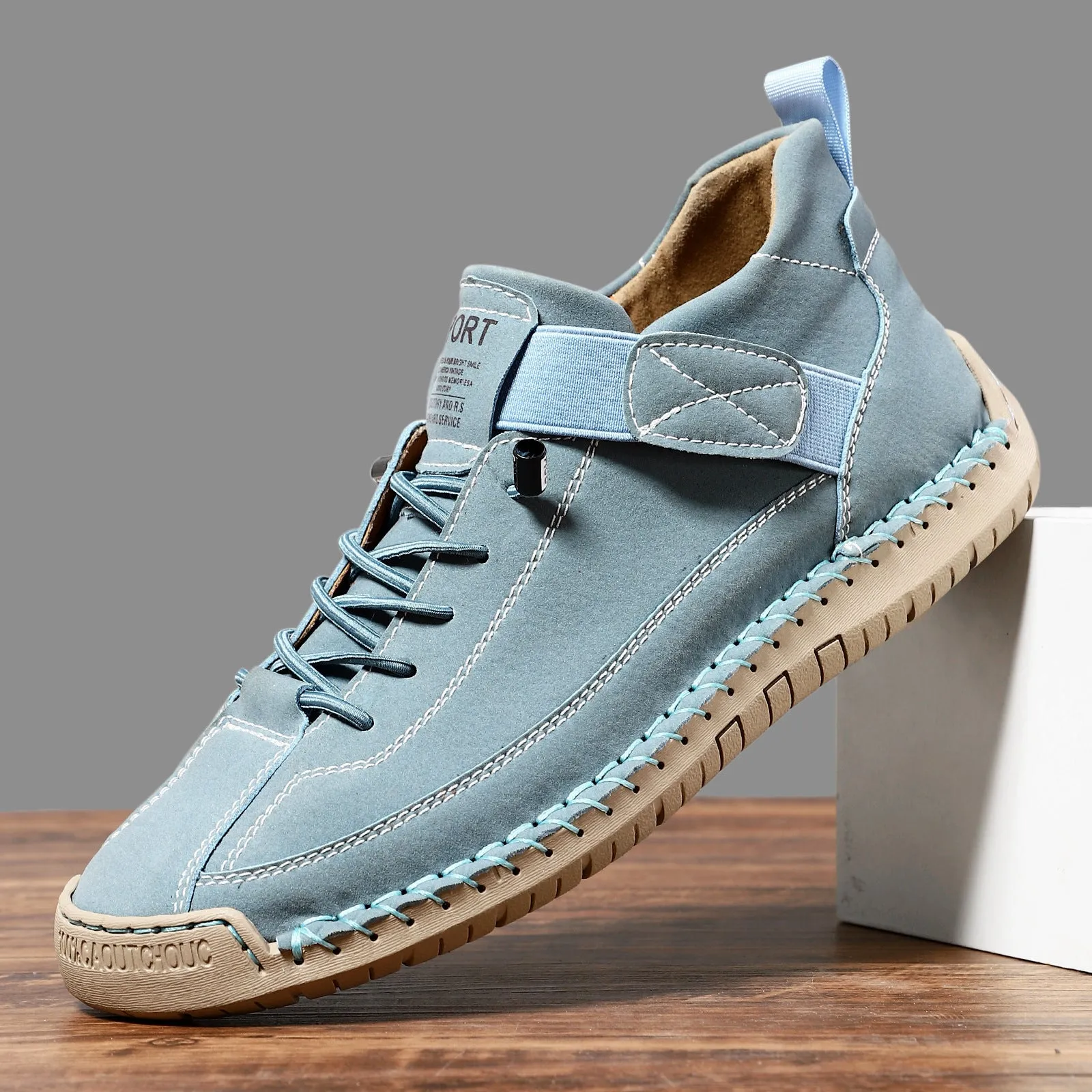
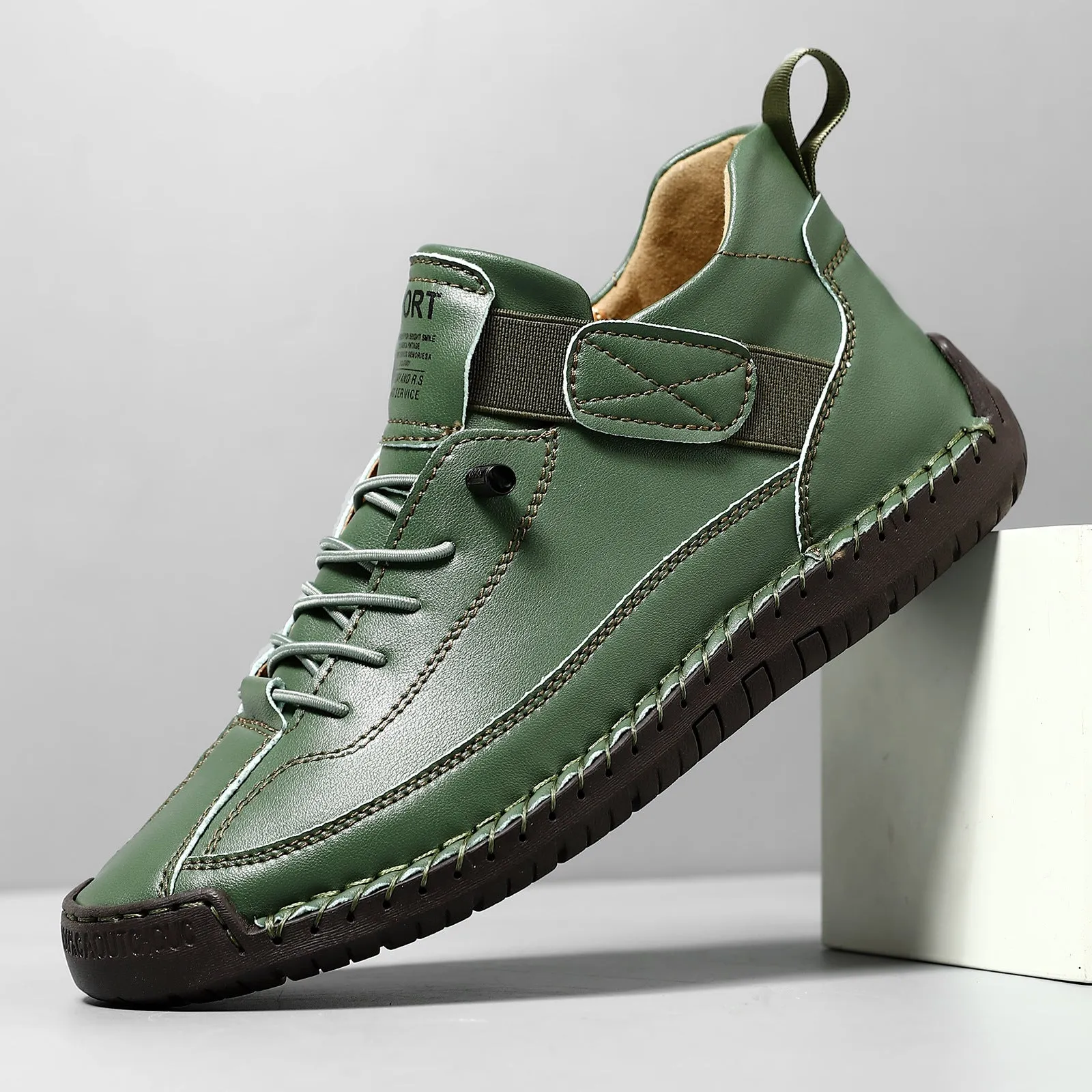
Men's Mid-Top Martin Boots Casual Shoes in Plus Sizes, Winter-Applicable Microfiber Upper with Rubber Sole, Available in Round-Toe Design with Tooling Stitching Details, Suitable for Outdoor and Everyday Wear in Multiple Colours and Sizes


Men's Mid-Top Martin Boots Casual Shoes in Plus Sizes, Winter-Applicable Microfiber Upper with Rubber Sole, Available in Round-Toe Design with Tooling Stitching Details, Suitable for Outdoor and Everyday Wear in Multiple Colours and Sizes
Men's Mid-Top Martin Boots: Winter Casual Footwear in Multiple Colours and Extended Sizes
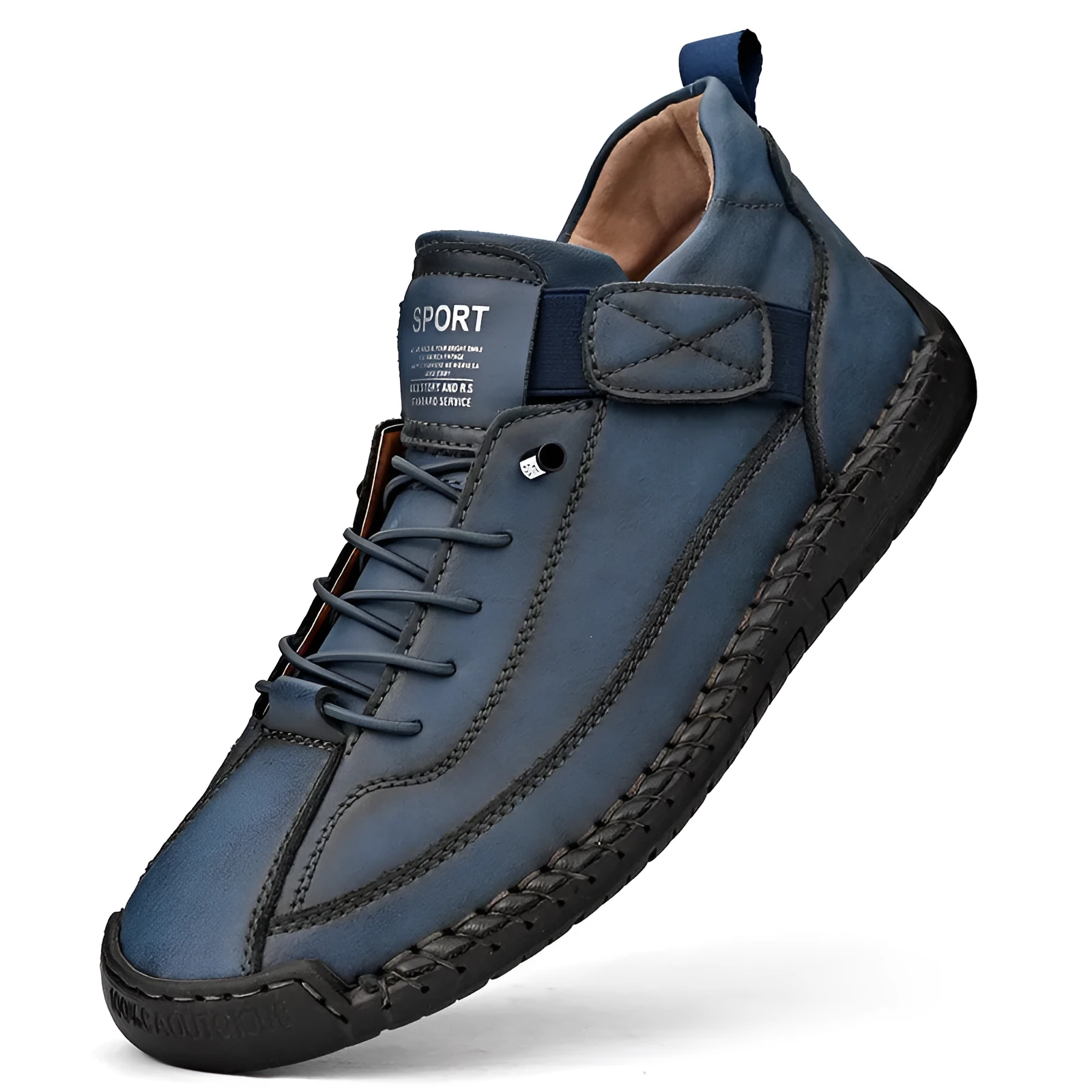
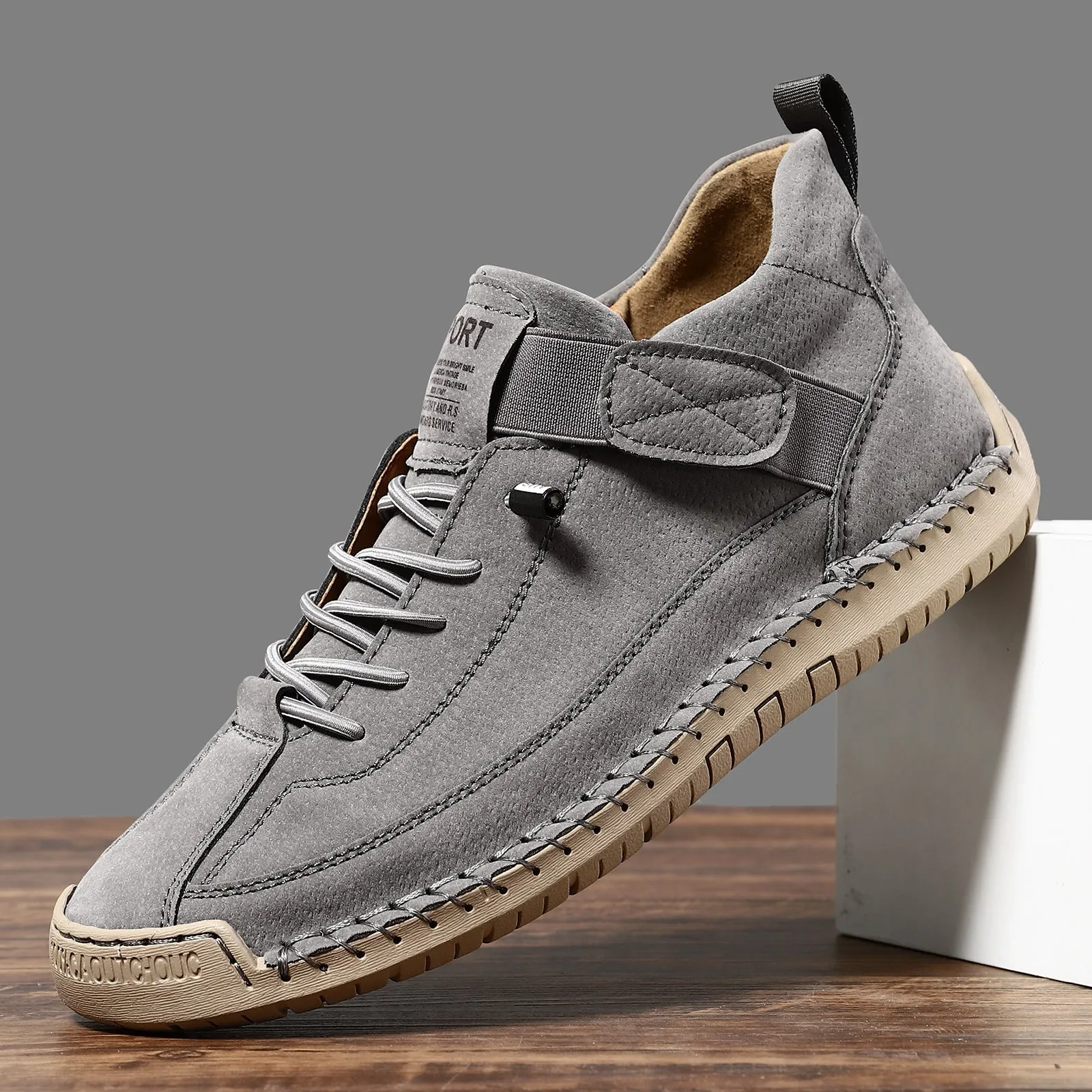
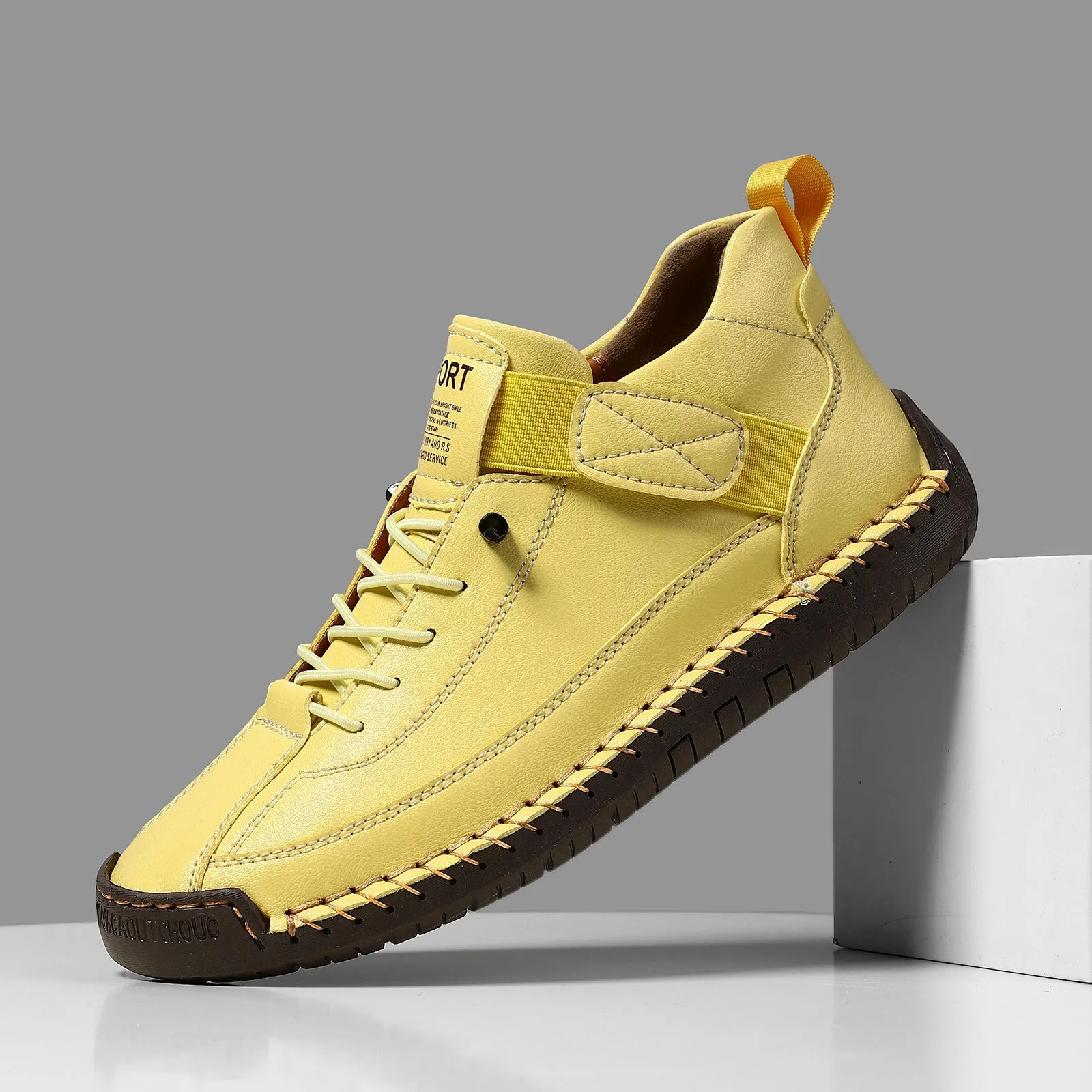
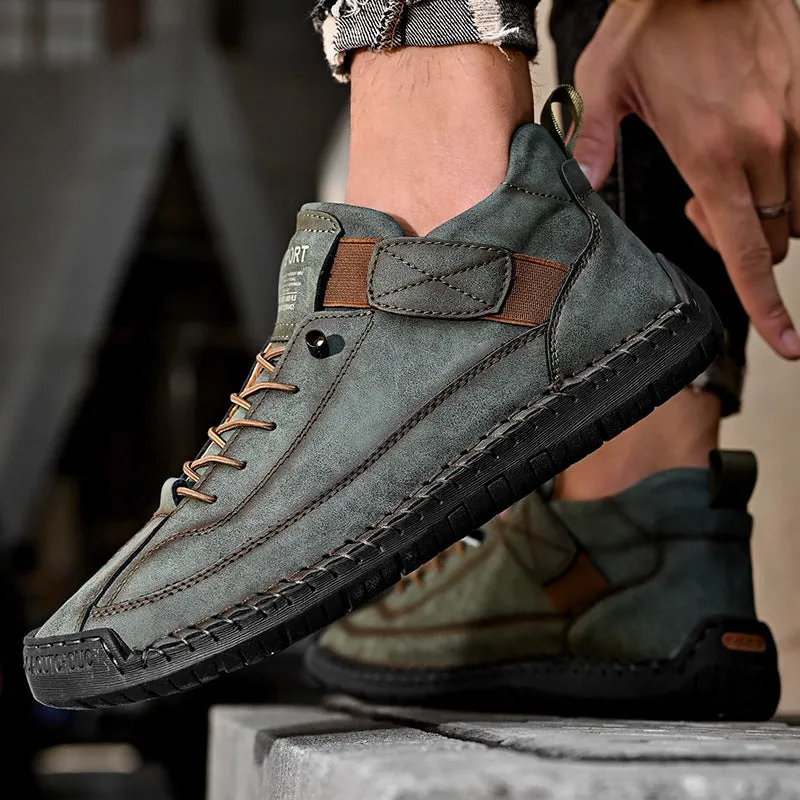
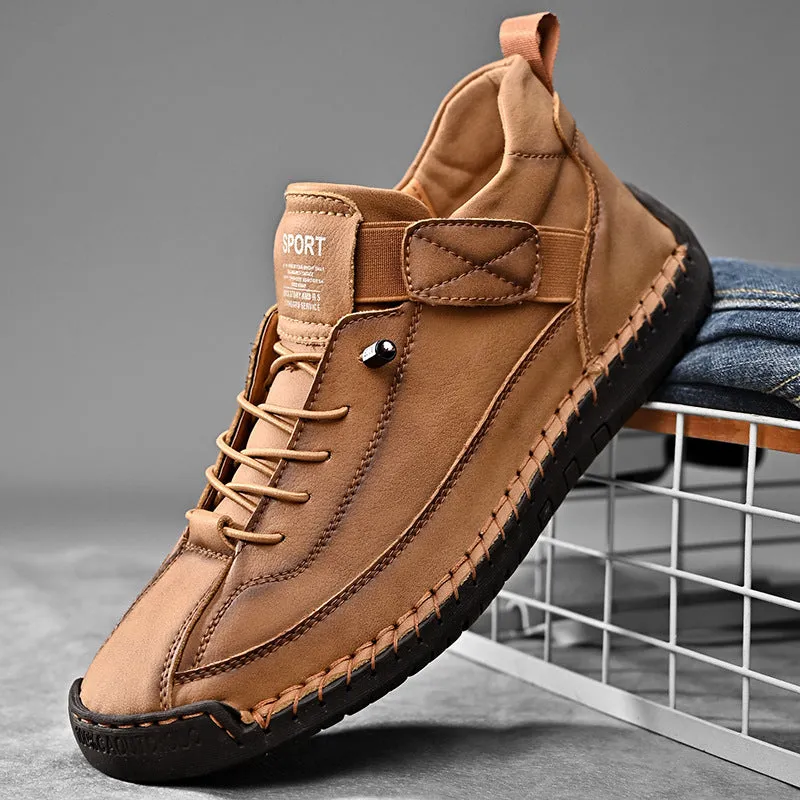
These mid-top Martin boots are presented as a casual footwear option suitable for the winter season. The product information specifies attributes such as breathability and warmth, positioning these boots as a practical choice for colder weather. Available in a notably wide size range from 36 up to 48, they accommodate various foot sizes, including extended options. The styling is described as Korean style, featuring a round toe and a mid-calf height, which contributes to their classification as a mid-top boot. The construction involves specific materials and detailing, such as tooling stitching, which are outlined in the following sections.
Features and Construction
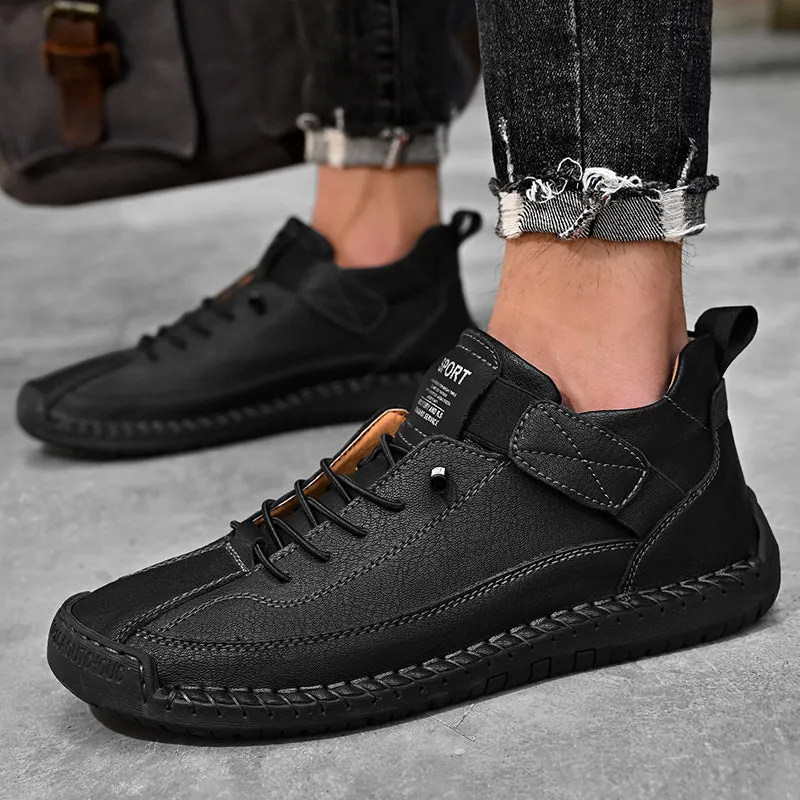
The build of these boots centres on the materials and processes listed in the source information. Key elements include the upper fabric, sole attachment method, and the visual stitching detail that defines part of their aesthetic.
Material and Build
The shoe upper is made from a microfiber material, which forms the main exterior of the boot. This is paired with a leather lining, creating an interior layer. The sole is constructed from rubber and is attached to the upper using a sewing shoe process, a specific construction method mentioned in the product details. The heel is flat, contributing to a casual and potentially comfortable profile for everyday wear.
Size and Practical Fit
The boots are offered in an extensive size range. Standard sizes from 36 to 46 are available, alongside larger sizes 47 and 48, making them a viable option for those requiring plus-size footwear. The sock length is specified as mid-calf, and the toe shape is round, which are practical fit and style points. The thickness is described as ordinary, providing a baseline expectation for the boot's bulk.
Uses and Placement
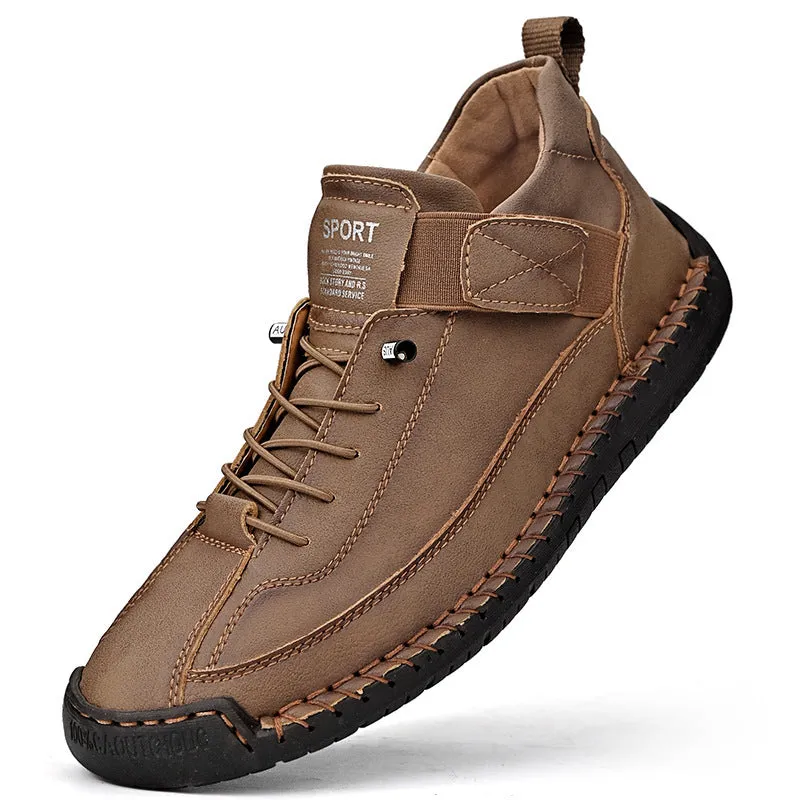
With their stated function and style, these boots fit into specific usage scenarios. The product information directly links them to winter suitability and a casual, outdoor-ready design.
Event or Professional Use
While the boots are categorised as casual shoes, their specific 'Korean style' designation and the tooling stitching detail suggest a fashion-conscious aesthetic that could be suitable for informal social settings or everyday work environments where a smart-casual boot is appropriate. The range of colours, from neutrals like black and gray to brighter options like pink and yellow, allows for coordination with different outfits.
Everyday Home Use
The primary intended use, based on the 'outdoor casual' description and winter functionality, is for daily wear during colder months. Features like breathability and warmth, as noted in the source, are practical benefits for extended wear in chilly conditions, whether for running errands, walking, or general outdoor activities.
Benefits and Buying Value
The value of these boots lies in the combination of their stated functional properties, size inclusivity, and style variety. These factors are all derived from the provided specifications without added conjecture.
Reuse and Low Maintenance
The materials used, such as microfiber and rubber, are commonly associated with durability in casual footwear, though no specific lifespan claims are made. The construction via sewing may contribute to the sole's attachment security. The paint surface processing method mentioned could relate to colour finish and its maintenance.
Why Choose This Product
The decision to select these boots can be based on the concrete data provided: the need for winter-applicable footwear, the requirement for a specific mid-calf height and round-toe style, or the necessity for sizes up to 48. The wide colour palette, offering thirteen distinct options from black to green, provides significant choice for personal preference, which is a clear differentiator supported by the source text.