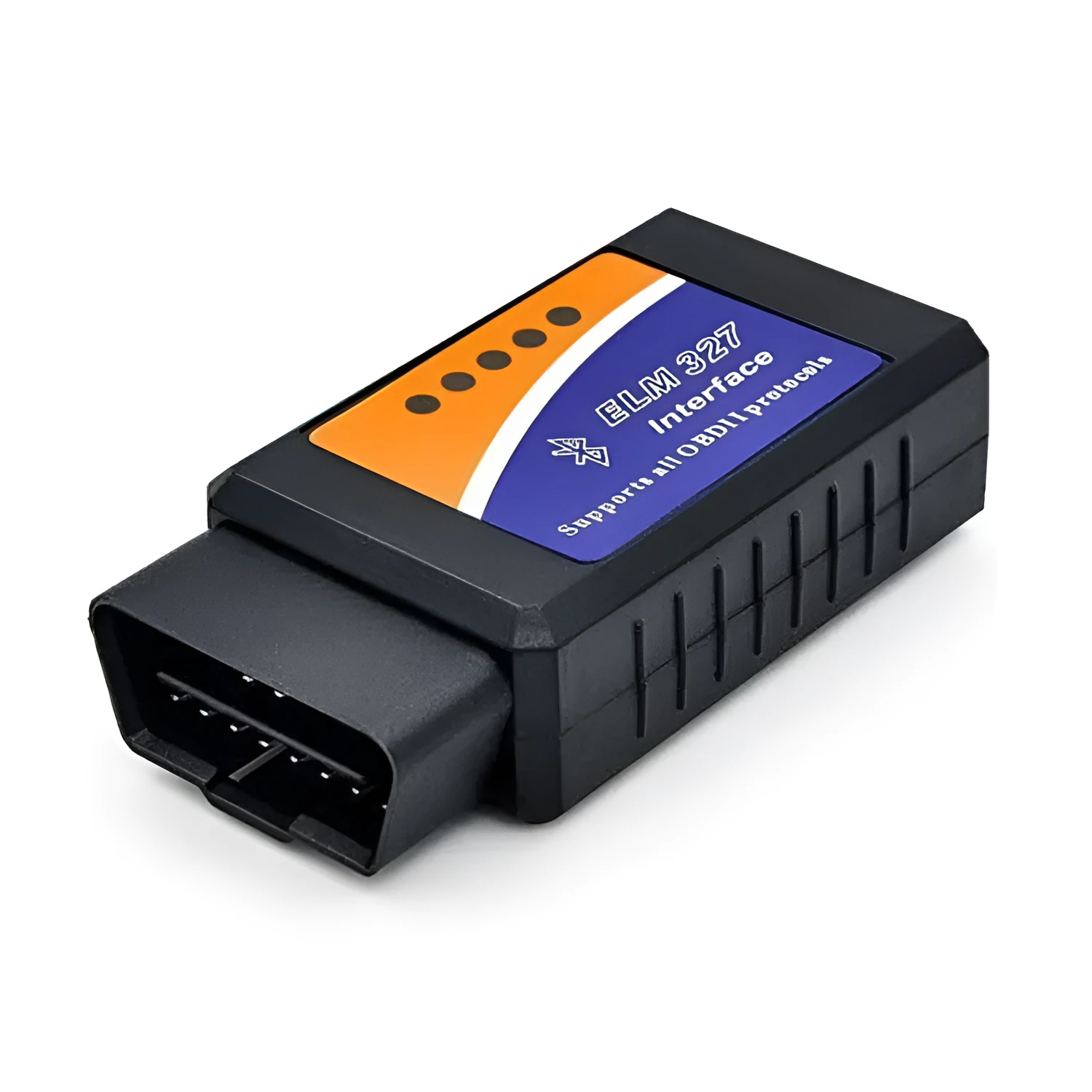
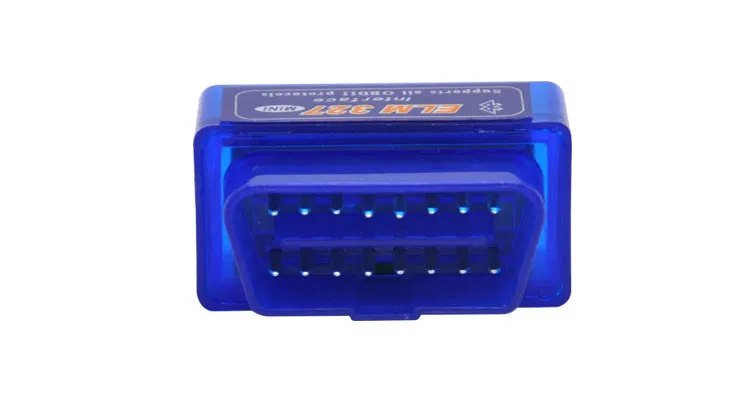
Dual-mode 5.1 Bluetooth Auto Fault Detector OBD2 scanner diagnostic tool reads and clears engine codes, displays live sensor data for Android and Windows vehicles, featuring ELM327 ELM32 ELM327 mini v2.1 chipset compatibility.


Dual-mode 5.1 Bluetooth Auto Fault Detector OBD2 scanner diagnostic tool reads and clears engine codes, displays live sensor data for Android and Windows vehicles, featuring ELM327 ELM32 ELM327 mini v2.1 chipset compatibility.
Dual-mode 5.1 Bluetooth Auto Fault Detector: OBD2 Scanner for Code Reading and Live Data

This Bluetooth OBD2 scanner provides a direct diagnostic link between your vehicle and a smartphone or computer, enabling you to identify issues without immediate garage visits. It reads and interprets both generic and manufacturer-specific fault codes from a database containing over 3000 definitions, giving clarity on what triggers the 'check engine' light. The device also allows you to clear these codes, resetting the warning indicator. Beyond fault codes, it streams live sensor data—such as engine RPM, coolant temperature, and fuel pressure—for real-time monitoring and basic performance checks, all through a compatible app on your Android or Windows device.
Features and Construction
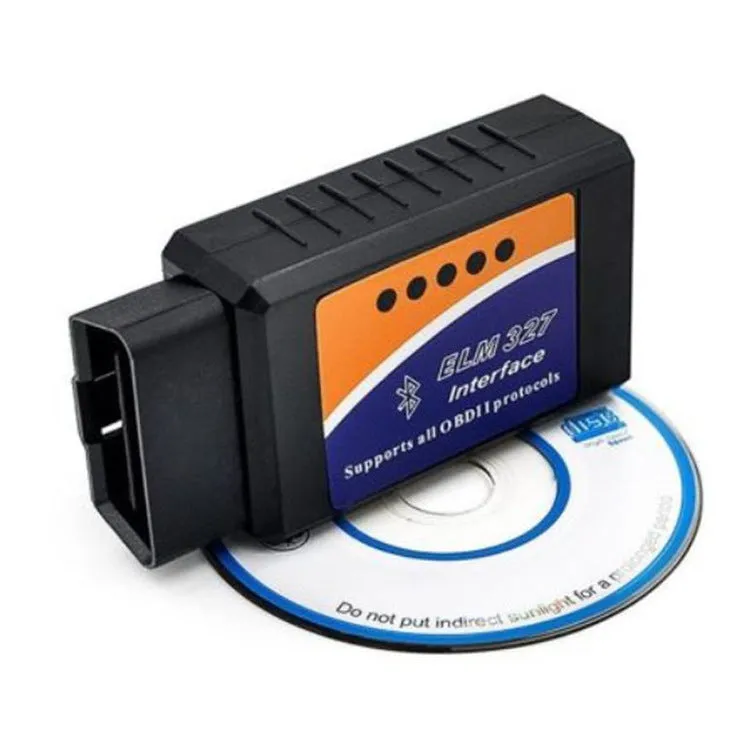
Built for the automotive environment, this detector focuses on core diagnostic functions with broad software compatibility. Its operation is centred on reading, interpreting, and clearing vehicle trouble codes while providing access to a stream of live engine parameters.
Material and Build
The electronic components are designed for the voltage and temperature ranges found in vehicles. It operates on a 9v to 16v supply, matching standard vehicle electrical systems, and functions in temperatures from -40℃ to 85℃ with operating humidity below 60%. This specification indicates construction suited for placement in a vehicle's cabin or near the dashboard, where it can remain connected during use.
Size and Practical Fit
The detector's compact dimensions of 45mm wide, 25mm deep, and 65mm high make it a small unit that fits easily into a glove box or tool pouch. Its small size and low standby current of 25mA mean it can be left plugged into the OBD2 port with minimal impact on the vehicle's battery when not actively paired and in use, offering convenience for periodic checks.
Uses and Placement
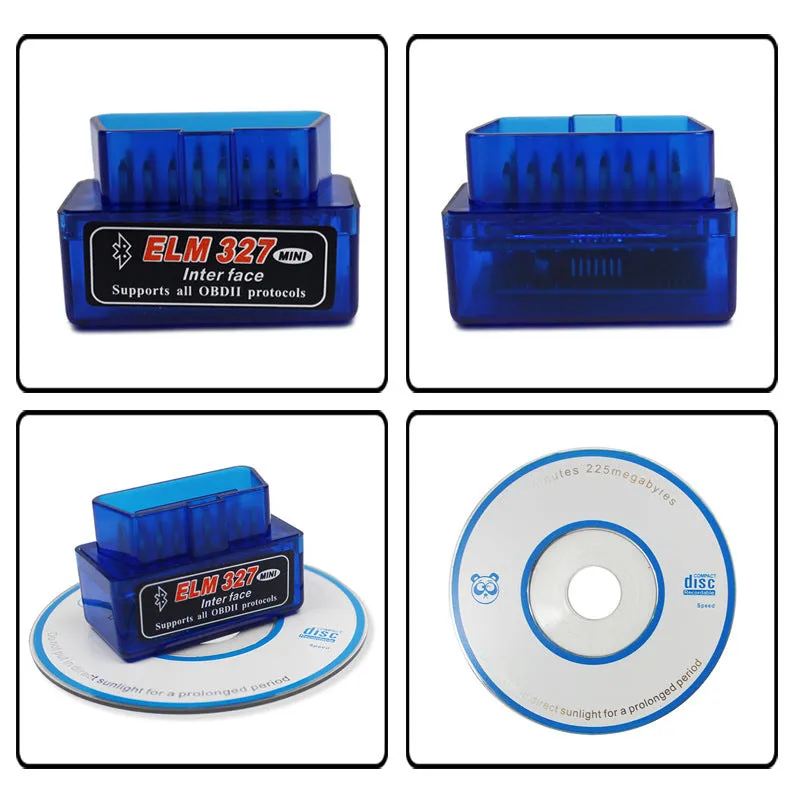
This tool serves both occasional DIY diagnostics and more regular vehicle monitoring. It connects to the standard OBD2 port found in most cars manufactured from the mid-1990s onwards, typically located under the dashboard near the steering column.
Event or Professional Use
For professional mechanics or advanced enthusiasts, the ability to read manufacturer-specific codes alongside generic ones provides a deeper level of diagnosis. The live data display—including parameters like intake manifold pressure, throttle position, and oxygen sensor voltage—allows for observing system behaviour in real time, which can be useful for verifying repairs or pinpointing intermittent faults before a warning light appears.
Everyday Home Use
For general vehicle owners, the primary use is identifying the cause of an illuminated 'check engine' light. By reading the code and its description, you can decide if it's a minor issue you can address, like a loose fuel cap, or if a garage visit is necessary. Clearing a code after a repair lets you verify the fix by ensuring the light does not return, providing peace of mind before longer journeys.
Benefits and Buying Value

The value of this detector lies in granting vehicle owners access to basic diagnostic information that was previously only available through garage scan tools. It translates raw fault codes into plain English descriptions and provides a window into the vehicle's operating conditions.
Reuse and Low Maintenance
As a digital tool with no consumable parts, the detector can be used repeatedly on the same vehicle or transferred between different compatible vehicles. Its low maintenance needs are tied to its electronic nature; there are no filters to replace or fluids to top up. Care involves simply keeping the connector pins clean and storing the device in a dry place when not in use.
Why Choose This Product
This product offers a specific set of confirmed functions: reading/clearing codes and displaying live sensor data via Bluetooth for Android and Windows. Its compatibility with popular third-party apps like Torque (Android) and ScanMaster-ELM (Windows) means you are not locked into a single proprietary software. The inclusion of a CD likely contains drivers or basic software, providing a starting point for setup. The dual-mode reference and listed chipset variants (ELM327, ELM32, ELM327 mini v2.1) indicate it uses widely supported protocol chips, ensuring broad vehicle coverage.